Equipment guide
Dry van, reefer and flatbed dispatch: questions that change the plan
Equipment-specific questions for carriers discussing dry van, refrigerated, flatbed, step deck and other freight with a dispatcher.
Begin with equipment fit
A load description should match the actual truck or trailer. Before discussing the trip, confirm the equipment category, dimensions and practical limitations. A dry van proposal should not be treated as interchangeable with a refrigerated or open-deck move. Even within one category, loading access and cargo characteristics can change whether a particular truck is suitable.
Be specific about what the carrier can do. If a piece of loading equipment is unavailable, or an operating restriction applies, tell the dispatcher before a load is approved.
Dry van: clarify loading and appointments
For a dry van load, ask about the pickup and receiver process, appointment windows, commodity, weight and any stated trailer requirements. Confirm whether the trip involves extra stops and whether the shipment instructions contain details that need the driver’s attention.
The purpose is not to collect information for its own sake. It is to help the carrier decide whether the proposed work fits the truck’s current availability and the driver’s plan.
Reefer: record the stated instructions
Refrigerated freight needs a clear handoff of the shipper’s stated temperature and operating instructions. Do not rely on a vague label such as “cold load.” Record what was communicated and make sure the driver and carrier receive the applicable instructions. Resolve inconsistencies through the appropriate contacts before proceeding.
A dispatcher should not invent cargo-handling specifications. Where a specialist instruction or operating requirement applies, it needs to come from the responsible party and be understood by the carrier.
Open deck: ask before assuming
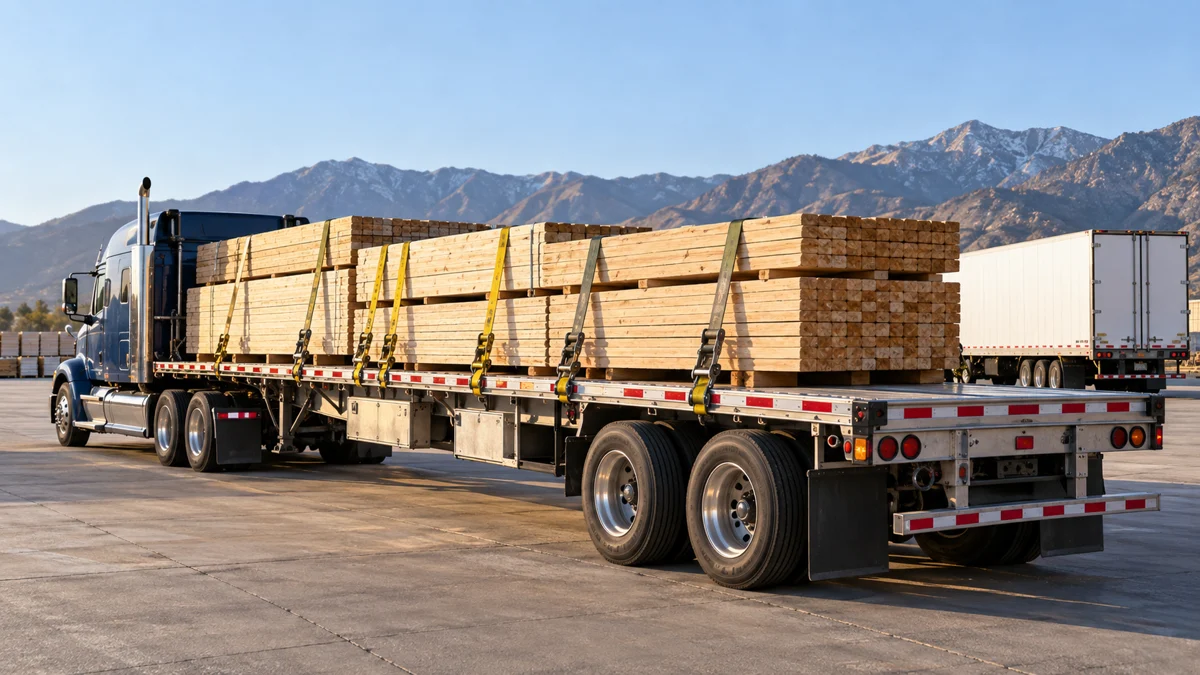
Flatbed and step deck planning often involves questions about dimensions, loading method and stated securement or covering requirements. Confirm the actual equipment and the carrier’s capabilities before presenting a load as a fit. If the description is incomplete, request clarification rather than silently converting it into an assumption.
Hot shot and power-only work also deserve their own questions. The towing or trailer arrangement, dimensions and pickup process need to be understood for the specific trip.
Use a repeatable equipment profile
Keep a simple profile for each truck: equipment type, dimensions, availability, useful capabilities and known restrictions. Update it when something changes. This helps a dispatcher avoid presenting unsuitable proposals and gives a fleet a common reference when more than one person manages approvals. Northlink’s carrier introduction form includes a broad set of equipment options to start that conversation.
Match the details to the equipment
Trailer type alone is not enough to decide whether a movement fits. Confirm dimensions, payload, loading access and any handling requirements with the parties involved. For refrigerated freight, discuss the stated temperature instructions and equipment readiness. For open-deck work, clarify securement and protection requirements before making a commitment.
Make exceptions visible before booking
Share equipment limits and driver preferences early. A facility restriction, an unsuitable loading method or a missing required item can disrupt an otherwise promising route. Ask questions while options are still open, and keep confirmed requirements in the load record. The carrier and driver must independently ensure the vehicle, cargo handling and operation meet applicable requirements.
Talk about your dispatch needs
Start with a few company details. Our team will contact you to discuss the next step.
Start Carrier Setup →Keep reading
How to choose truck dispatch support for your business
Carrier onboarding: a simple checklist before your welcome call
Deadhead and load planning: compare the whole trip
From load paperwork to a clear dispatch invoice
Box truck and hot shot dispatch: details to confirm before booking