Equipment guide
Box truck and hot shot dispatch: details to confirm before booking
A practical planning checklist for box truck and hot shot carriers covering dimensions, loading access, appointments and communication.
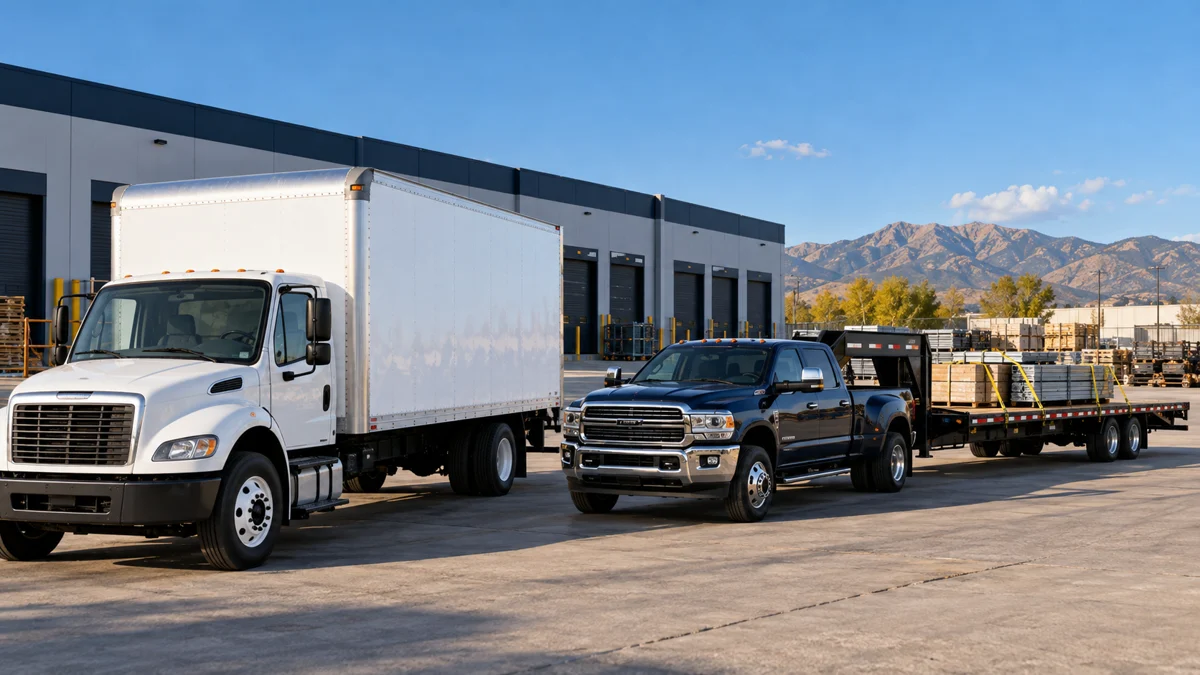
Do not let a short label replace the details
A box truck or hot shot label describes a category, not every operating capability. Confirm the actual dimensions, capacity and configuration of the vehicle before considering a proposal. Record the information the carrier provides so the same question does not have to be answered from scratch during every call.
For a fleet with different vehicles, keep separate profiles. A load suitable for one unit may not be suitable for another unit with a different configuration.
Ask about the loading environment
Clarify how the shipment will be loaded and unloaded, what access is available and whether any equipment is stated as necessary. Discuss the instructions with the carrier before approval. A receiver’s address alone may not describe the conditions the driver will encounter.
If the details are unclear, ask the relevant contact to clarify them. The goal is a realistic plan and fewer surprises at the pickup or delivery location.
Compare appointments with the current trip
Check where the truck becomes available and when it can realistically reach pickup. Include the time zones for appointments and leave room to discuss delays rather than assuming every estimate will be exact. Ask the carrier about planned home time or operating preferences that affect the move.
A simple timeline can reveal whether a proposed sequence makes sense. Keep confirmed appointments separate from tentative estimates so the driver is not given a false sense of certainty.
Keep the carrier in the approval loop
Present the proposed rate, locations, dates and stated requirements together. The person authorized by the carrier should know what they are approving. Record changes after booking and make sure they reach the driver. If someone new joins the conversation, summarize the current plan rather than forwarding a long message chain without context.
This approach helps a small operation maintain a professional workflow without creating a complicated process.
Build useful trip history
After completion, note actual pickup and delivery experience, unexpected requirements and document issues. Use that history to improve the next proposal. Clear equipment information, understandable approvals and reliable paperwork are practical foundations for box truck and hot shot dispatch support.
Confirm the practical fit
For box trucks and hotshot equipment, clarify usable dimensions, capacity, loading method and whether a liftgate or other equipment is needed. Ask whether the shipment will occupy the full available space and whether facility access is suitable. Never assume a load fits based only on a broad equipment label.
Plan the handoff and the next move
Collect a reachable pickup contact and delivery contact, then confirm the appointment windows. Keep the team informed when the truck is loaded, delayed or delivered. Consider the next likely operating area before accepting a movement into a location with limited suitable freight. These checks help make the conversation more complete without promising any specific rate or load availability.
Talk about your dispatch needs
Start with a few company details. Our team will contact you to discuss the next step.
Start Carrier Setup →Keep reading
How to choose truck dispatch support for your business
Carrier onboarding: a simple checklist before your welcome call
Deadhead and load planning: compare the whole trip
From load paperwork to a clear dispatch invoice
Dry van, reefer and flatbed dispatch: questions that change the plan