Dry Van 48/53ft Dispatch Services: Move More Freight, Keep More Profit
Trailer-specific load selection, broker coordination and practical planning for the road ahead.
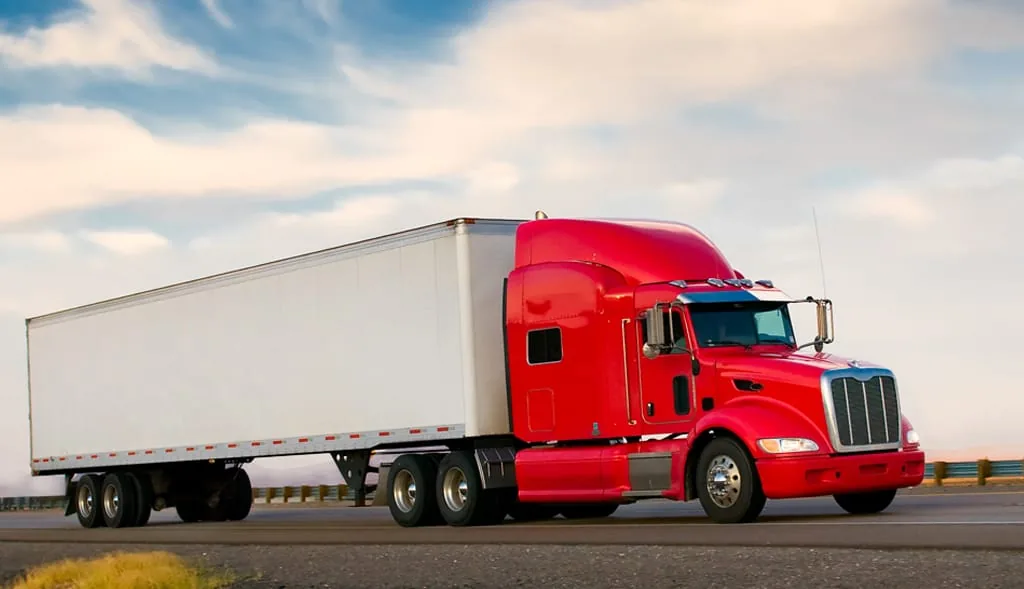
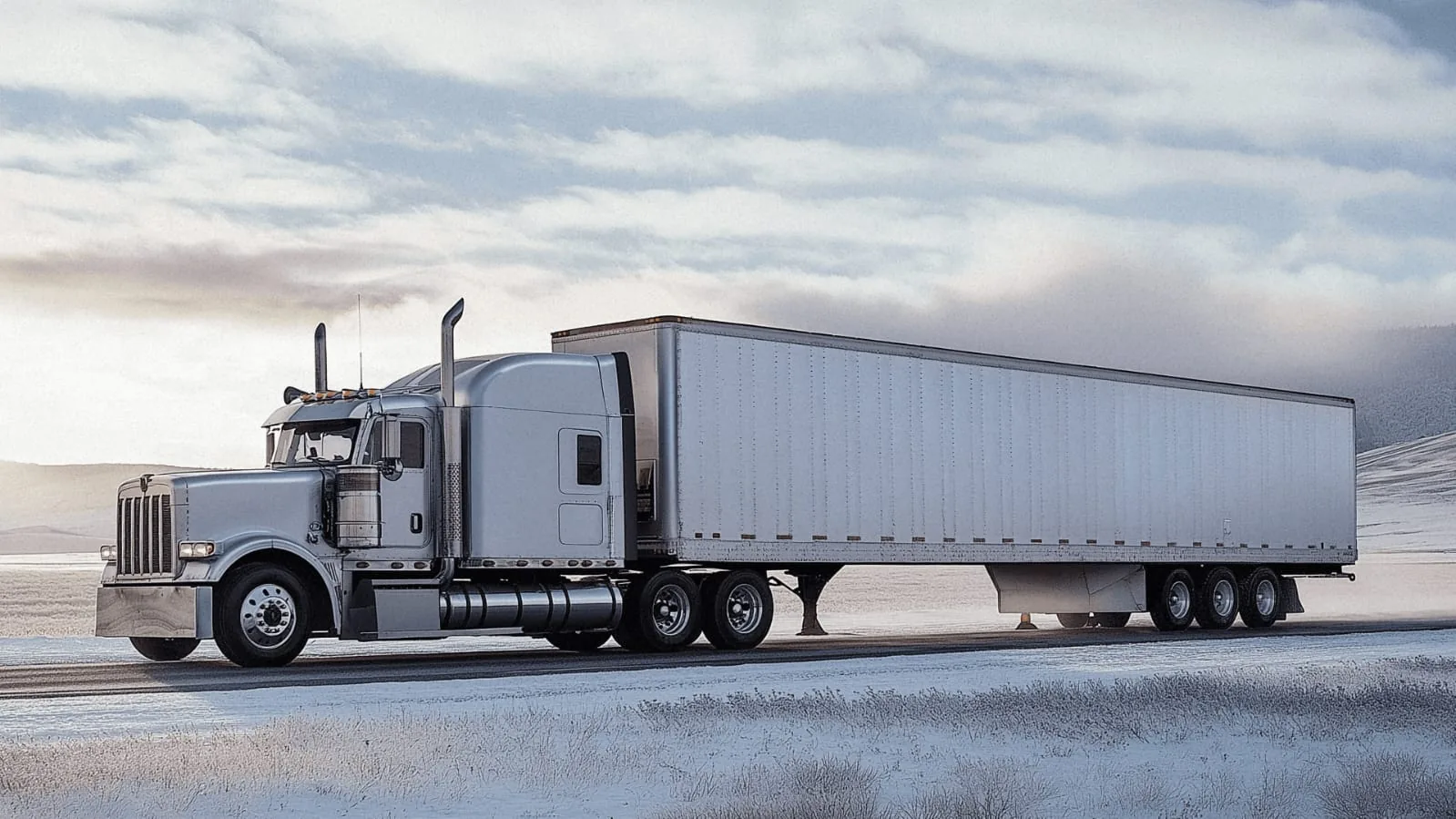
You run a 48- or 53-foot dry van. This is the most common trailer on American roads. That means two things: the highest volume of available freight, and the stiffest rate competition. Generic dispatch services treat all vans the same. They blast you to every load board and hope something sticks. NorthLink understands dry van realities. We target the lanes where your trailer length is an advantage, not a limitation. We help you cut through the volume noise and find freight that respects your equipment, your lanes, and your pocket.
Dry Van Equipment: 48ft vs 53ft vs the Market
| Trailer | Capacity | Rate competition | Lane access | Best suited for |
|---|---|---|---|---|
| 48ft | Slightly lower cube, often used for dense freight | Moderate | Regional focus, less saturation | Operators who know dense-load lanes |
| 53ft | Maximum cube, industry standard | Highest (most trucks compete) | National networks, high volume | Operators with strong lane relationships |
| Your advantage | We match your exact length to the right freight class, every time | We avoid the generic “one-size-fits-all” blast that kills rates | We target lanes where your trailer length is the industry norm, not the outlier | You, with the right dispatch partner |
Your 48/53ft dry van is the workhorse of freight. We make sure it works for you, not the other way around.
How We Calculate Real Profit on Every Dry Van Load
Accepting a load based on the gross rate board number is how operators lose money. We break down the real economics before you commit:
| Factor | What it means for 48/53ft trailers | Our analysis |
|---|---|---|
| Current location & deadhead | Deadheading 100 miles from a Dallas pickup to a Fort Worth load = $140 fuel + 2 hours before you earn a dime. | We filter pickups within 35 miles of your GPS position. |
| Loaded vs total miles | A 400-mile loaded haul at $2.00/mile beats a 600-mile haul at $1.70/mile when you factor fuel, tolls, and driver time. | We show loaded miles, total distance, and net profit per mile side-by-side. |
| Rate & operating costs | Fuel at $3.80/gal, tolls, ELD, maintenance, load securement time—all eat into a $2.00/mile rate fast. | We calculate net rate: (Rate - Fuel - Tolls - Estimated Delay Costs) ÷ Loaded Miles. |
| Equipment match | A 53ft van won’t fit at some downtown Dallas receiving docks. A 48ft van may not qualify for some premium freight lanes. | We verify dock dimensions, freight class, and your trailer specs before presenting a load. |
| Pickup & delivery windows | Tight 2-hour windows at Houston’s port mean detention if you’re late. Four-hour windows mean you might wait 3 hours unloaded. | We confirm who books appointments, who’s responsible for detention, and build buffers into our scheduling. |
| Home-time impact | That $2,200 load to El Paso sounds great until it pushes your Saturday home arrival to Monday. | We factor your required home time into every load suggestion. No exceptions. |
| Next-load positioning | Delivering to Laredo puts you in cross-border freight. Delivering to Oklahoma City puts you in the wheat harvest lane. | We map your delivery location to the highest-probability next-load corridor. |
Live Lanes We’ve Secured for 48/53ft Dry Vans (Last 30 Days)
These are active, booked loads—not scraped board entries. We’re showing you what’s possible when dispatch works for your trailer length:
- Dallas to Oklahoma City (Wheat & Grain): 350 miles loaded. $1.95/mile. Direct mill delivery. Your 53ft cube maximizes grain capacity; no oversize permits needed.
- Houston to San Antonio (Produce & Food): 195 miles loaded. $2.10/mile. Reefer optional, many dry van compliant. Backhaul after South Texas produce runs—same-day unload at San Antonio Produce Terminal.
- Fort Worth to Austin (Construction Materials): 185 miles loaded. $2.30/mile. Open-deck compatible but many shippers prefer dry van for bagged product. I-35 corridor, consistent volume.
- Austin to Corpus Christi (Chemical & Industrial): 210 miles loaded. $2.45/mile. Tankers and dry vans share lanes, but dedicated dry van rates pay premium. Your 53ft trailer handles the loading racks at the refinery district.
- Dallas to Laredo (Cross-Border Freight): 310 miles loaded. $2.05/mile. Many shippers need dry van for maquiladora cargo moving south. We ensure all customs paperwork alignment if needed.
Note: Rates reflect current spot market. Your actual rate depends on negotiation, fuel surcharge, and lane commitment. We never show you a load that doesn’t match your exact trailer length.
Our Dispatch Process: Built for Dry Van Operators
We designed this around how you actually run freight—not how brokers assume you operate:
- Share Your Trailer & Lanes (Under 3 Minutes): Tell us your exact length (48ft or 53ft), current ZIP, preferred lanes, and any weight/cube constraints. Example: “53ft dry van based in Garland, I-35 corridor, prefer east-west lanes, no hazardous materials.”
- See 3-5 Vetted Options (Not a Load Board Dump): We show only loads matching your trailer length with net profit per mile, deadhead cost, and home time impact clearly laid out. No scrolling 150+ irrelevant posts.
3. You Decide, Zero Pressure: Accept or decline. No hidden algorithms pushing low-margin freight. Your authority stays 100% intact. 4. We Handle the Admin Grunt: Rate confirmation, broker communication, carrier packet assembly. You get one clean PDF to sign—not a scrambled email thread. 5. Track Through Delivery: Real-time updates on pickup, in-transit, and delivery. We proactively manage detention claims if the shipper holds you.
Why Generic Dispatch Fails 48/53ft Dry Van Operators (And Our Fix)
| Generic approach | Your potential loss | Our solution |
|---|---|---|
| Blasts every load to every van | You get 50 spammy board entries, waste hours declining mismatched freight | We filter by your exact trailer length first—quality over quantity |
| Uses gross rate only | You accept loads that lose money after deadhead, tolls, and time | We calculate true net profit per mile before you see the load |
| Ignores dock reality | You show up at a 53ft-incompatible dock, lose time, burn fuel | We verify dock dimensions and freight class against your trailer specs |
| One-size-fits-all lane selection | Your 53ft van gets sent on regional shortcuts that pay less; your 48ft van misses national freight | We target lanes where your specific length is the industry standard, giving you an edge |
Local Market Intelligence: DFW, Houston, Austin & San Antonio Dry Van Lanes
We’re not a distant call center. Our dispatchers live in these markets. We know the real freight flow:
- Dallas/Fort Worth: I-35E/I-35W corridor is dry van saturation. We route around the 7-9 AM and 4-7 PM bottlenecks, targeting mid-day pickups when docks move faster.
- Houston Ship Channel: Port of Houston volumes peak Tue-Thu. We schedule pickups accordingly and factor port detention into rate negotiations.
- Austin: Tech and biotech freight moves 9 AM–3 PM. We book loads that respect those windows and avoid the 4-7 PM I-35 crawl.
- San Antonio: Military and medical freight lanes. We know which bases and hospitals have 48ft vs 53ft dock restrictions—and we honor them.
- Laredo: Cross-border dry van freight is consistent Mon-Fri. We align your lanes with the fastest customs clearance windows.
Proven result: We helped a Garland-based 53ft dry van operator increase net profit per mile by 19% in Q1 2024 by avoiding Dallas rush-hour deadhead and focusing on Austin tech-industrial lanes.

Service Plans Tailored to Dry Van Operations
| Plan | Who it serves | What you get |
|---|---|---|
| Standard | Solo dry van operator tired of load-board hunting | Load search, basic broker negotiation, rate confirmation, GPS tracking |
| Premium | Operator running 2–5 dry vans seeking consistent freight | All Standard + wider lane access, detention alerts, weekly profit/loss snapshot |
| Full Service | Fleet owner (6+ dry vans) needing scalable dispatch | All Premium + dedicated lane manager, custom broker development, monthly business review |
Over 70% of our dry van clients start with Premium. It gives you enough load volume to keep your trailer moving without paying for fleet features you don’t need yet.
Ready to Stop Chasing Loads? Let’s Get Specific
Tell us:
● Your exact trailer length (48ft or 53ft) ● Your home ZIP and preferred running lanes (e.g. “Garfield to I-35 corridor”) ● Any weight, cube, or dock restriction requirements ● Your hard home time needs (e.g. “Must be home every Saturday by 5 PM”)
Within 90 minutes we’ll send you:
- 3 real-load options matching your trailer length today (with net profit/mile breakdowns)
- Clear next steps if you want to book (no contracts, no hidden fees, no obligation)
Ready to keep your truck moving?
Tell us about your equipment, preferred lanes and your operation. Our dispatch team can help you review next steps.
Start carrier setup →