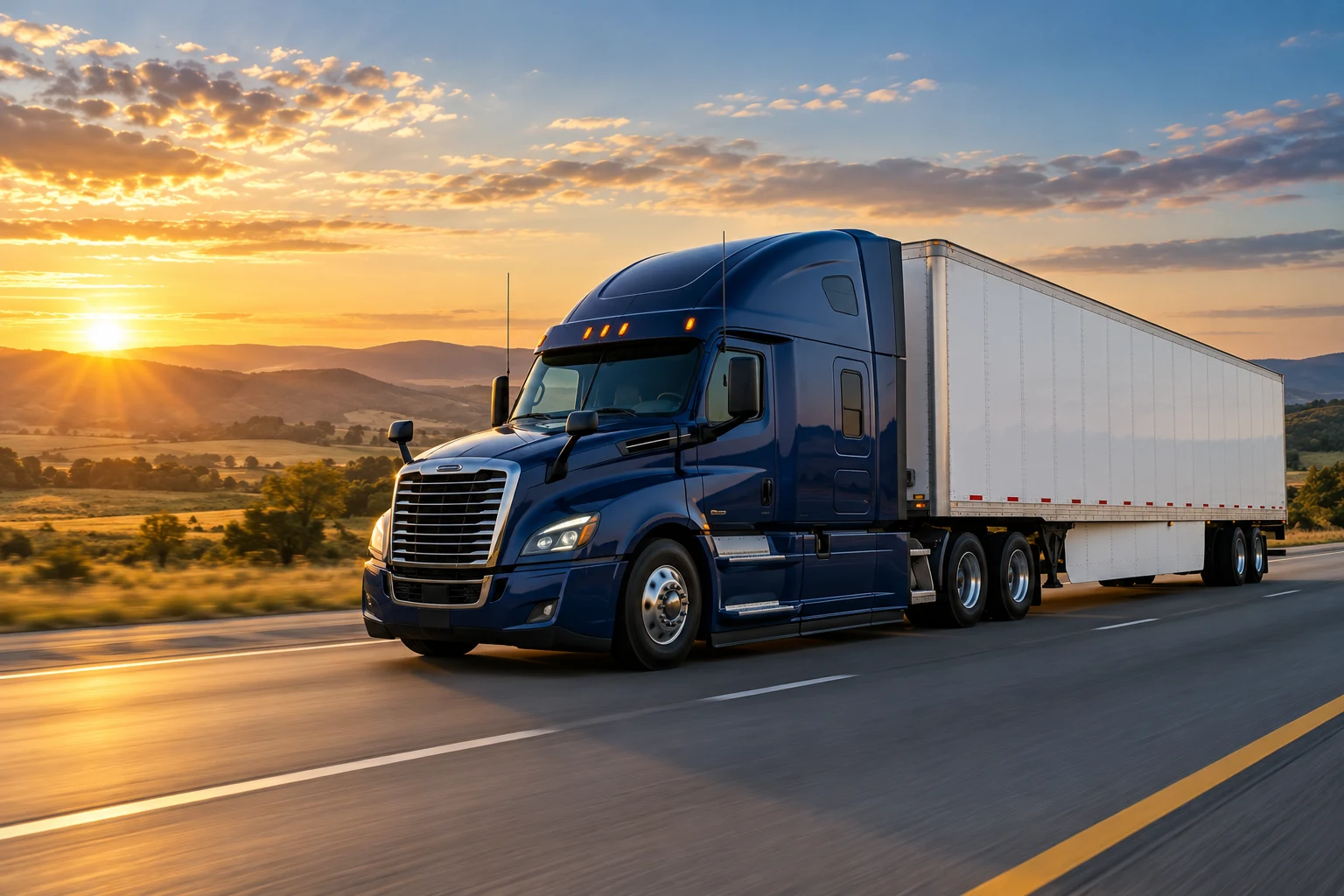
If you have ever driven past a semi truck on I 95, I 80, or I 40, you have probably wondered how all those products get from one place to another. The answer is not just the driver behind the wheel. It is the truck dispatcher working behind the scenes.
Truck dispatching is the operational backbone of the American freight industry. A dispatcher finds loads, books shipments, negotiates rates, plans efficient routes, and handles the details that keep trucks moving. Without dispatching, most owner operators and small carriers would spend hours on the phone chasing loads instead of driving.
This guide explains what truck dispatching is, how it works in the USA, what dispatchers do day to day, and whether hiring a dispatcher makes sense for your trucking business.
What Is Truck Dispatching?
Truck dispatching is the process of coordinating the movement of freight from the point of pickup to the final destination. A truck dispatcher handles the logistics side of the job so drivers can focus on driving.
Here is what a dispatcher typically handles:
- Finding available loads for trucks
- Negotiating freight rates with brokers and shippers
- Planning pickup and delivery routes
- Sending drivers to their assigned locations
- Tracking shipments while they are on the road
- Collecting paperwork and getting carriers paid
Think of a truck dispatcher as the central coordinator for a trucking operation. They make sure the right truck is in the right place, at the right time, for the right load.
The Truck Dispatching Ecosystem in the USA
Freight in the USA involves several key players. A dispatcher works with all of them.
Shipper: The company that needs goods moved. This could be a manufacturer, a retailer, a produce supplier, or a distribution center.
Freight Broker: The middleman between the shipper and the carrier. Brokers do not own trucks. They arrange transportation for shippers and take a commission for connecting them with carriers.
Carrier: The trucking company that owns trucks and employs drivers. A carrier might have one truck or five hundred.
Owner Operator: An independent driver who owns their own truck. An owner operator might run under their own authority or lease their truck to a carrier.
Truck Dispatcher: The person who works for the carrier or owner operator to source loads, book freight, and manage the day to day operations of the truck.
Independent Dispatcher: A third party dispatcher who contracts with multiple carriers or owner operators. They usually charge a percentage of each load or a flat fee per load.
How Truck Dispatching Works: Step by Step
Here is a look at the typical dispatching process in the United States.
Step 1: Load Sourcing
The dispatcher starts by searching for available freight. They use load boards such as DAT, Truckstop.com, 123Loadboard, and Uber Freight. They may also get load offers directly from brokers they already work with.
Dispatchers filter loads by:
- Origin and destination
- Equipment type (dry van, reefer, flatbed, step deck, etc.)
- Pickup and delivery dates
- Weight and dimensions
- Pay rate
The goal is to find a load that matches the truck location, the driver hours available, and the pay needed to keep the business profitable.
Step 2: Rate Negotiation
Once the dispatcher finds a good load, they contact the broker or shipper to negotiate the rate. Experienced dispatchers know the average rates for different lanes. They understand fuel surcharges, detention pay, and accessorials. They do not just accept the first rate offered.
Step 3: Load Booking
After the rate is agreed on, the dispatcher books the load. This means confirming the shipment with a rate confirmation document. The rate confirmation includes the pickup window, the delivery window, the load details, and the agreed upon pay.
Step 4: Driver Assignment
The dispatcher assigns the load to an available driver. They send the driver the pickup and delivery details, the rate confirmation, and any special notes about the load.
Before dispatching, they confirm the driver has:
- A valid CDL
- A current medical card
- Active trucking authority
- Required insurance coverage
- Available driving hours
Step 5: On the Road Tracking
Once the driver is on the road, the dispatcher monitors the shipment. They track the truck location, communicate with the receiver or consignee about arrival times, and handle any delays.
Common issues a dispatcher solves on the road include:
- Traffic delays
- Weather problems
- Truck breakdowns
- Lumper services at warehouses
- Detention pay when loading or unloading takes too long
- Paperwork issues at delivery
Step 6: Delivery and Paperwork
After the load is delivered, the dispatcher collects the signed Bill of Lading and the Proof of Delivery. These documents are needed to invoice the broker or shipper and get the carrier paid.
Some carriers get paid in 30 days. Others use freight factoring to get paid the same day or within 24 hours.
Types of Truck Dispatching
There are three main ways truck dispatching works in the USA.
In House Dispatching
Large carriers employ dispatchers who work in their office. These dispatchers manage the company trucks and work directly for the fleet. This is common for big fleets with 50 or more trucks.
Independent Dispatcher
An independent dispatcher works from a home office or small office. They serve multiple owner operators or small carriers. They typically charge 5 to 10 percent of the gross revenue of each load, or a flat fee per load. This is the most common model for owner operators.
Dispatching as a Service
Some companies offer dispatching as a service. They combine software tools with human dispatchers. The software handles load matching and the human dispatcher handles negotiation and problem solving. This model is growing as technology makes dispatching more efficient.
Technology Used in Truck Dispatching
Modern truck dispatching depends on software and digital tools. The most common tools include:
Load Boards: DAT, Truckstop.com, 123Loadboard, and Uber Freight are the main sources for finding loads.
Transportation Management Systems (TMS): TruckingOffice, AscendTMS, McLeod, and Tailwind are popular TMS platforms. They help dispatchers manage loads, drivers, and billing in one place.
ELD and GPS Tracking: Samsara, Motive, and other providers give dispatchers real time truck location and hours of service tracking.
Communication Tools: Dispatchers use phone, SMS, email, and driver apps to stay in touch with drivers throughout the day.
Factoring Services: OTR Capital, TBS Factoring, and others help carriers get paid faster on their invoices.
Federal Rules and Regulations Dispatchers Must Know
Truck dispatching in the USA is shaped by federal regulations. A good dispatcher stays up to date on:
FMCSA Regulations: The Federal Motor Carrier Safety Administration sets rules for hours of service, driver qualifications, drug and alcohol testing, and safety compliance.
USDOT Number and MC Authority: Carriers need an active USDOT number and Motor Carrier number to operate across state lines.
Insurance Requirements: Most brokers require carriers to carry at least 750,000 to 1,000,000 dollars in liability insurance. Some require more depending on the type of freight.
ELD Mandate: Most commercial drivers must use an electronic logging device to track their hours of service.
A dispatcher who does not understand these rules can create legal and financial problems for the carrier. This is why experience matters in this role.
Pros and Cons of Hiring a Truck Dispatcher
If you are an owner operator or run a small carrier, you might be wondering whether you need a dispatcher. Here is a simple breakdown.
Pros
- Saves time by handling load search and booking
- Access to better paying loads through broker relationships
- Handles paperwork and collections
- Provides support during breakdowns and delays
- Helps keep the truck loaded and moving
Cons
- The cost is 5 to 10 percent of gross revenue or a flat fee per load
- You give up some control over which loads you take
- A bad dispatcher can book poor paying loads or cause delays
- You still need to manage the driver relationship yourself
Bottom line: If you are driving and dispatching yourself, you are likely losing money. A good dispatcher can pay for themselves by finding higher paying loads and keeping your truck running.
How to Start a Truck Dispatching Business
If you want to become a dispatcher, here is the basic path:
- Learn the industry. Study freight lanes, load boards, rates, and federal regulations.
- Set up your business. Register an LLC, get an EIN, and open a business bank account.
- Get the tools. Sign up for a load board and a TMS.
- Build relationships with carriers. Reach out to owner operators and small fleets.
- Get approved with brokers. Complete broker setup packets so you can book loads.
- Set your pricing. Decide between a flat fee per load or a percentage of gross revenue.
You do not need broker authority to work as a dispatcher for a carrier. However, if you want to arrange loads between shippers and carriers as a middleman, you need a broker license and a 75,000 dollar surety bond.
Common Myths About Truck Dispatching
Myth: Dispatchers just find loads.
Reality: Dispatchers handle negotiation, compliance, driver support, paperwork, and problem solving.
Myth: Only large fleets need dispatchers.
Reality: Owner operators benefit the most from dispatching because they are doing everything alone.
Myth: Dispatchers set driver pay.
Reality: Drivers are paid by the carrier. Dispatchers focus on load revenue and booking.
Myth: It is easy work from home money.
Reality: Successful dispatching takes industry knowledge, strong relationships, and constant availability.
Frequently Asked Questions
1. What does a truck dispatcher do?
They find loads for your truck, book them, handle the paperwork, and manage the details so you can just drive.
2. What’s the difference between a dispatcher and a broker?
A broker finds the load. A dispatcher manages it for you. Think of the broker as the client and the dispatcher as your helper.
3. Why should I pay someone to find loads?
It saves you hours of phone calls and stress. A good dispatcher finds better-paying loads and lets you focus on driving and making money.
4. What trucks can you dispatch?
We work with all common types: dry vans, reefers, flatbeds, box trucks, hotshots, and more.
5. How much does dispatching cost?
It’s usually a small percentage of each load (like 5-10%). We have simple, clear plans. Contact us for details.
6. How do I know if a dispatcher is right for me?
Look for someone who is transparent, experienced, and treats you like a partner, not a number.
7. What’s the first step to start?
It’s easy. We’ll have a quick chat to understand your truck, your routes, and your goals. Then we start finding loads for you.
8. How does dispatching help with paperwork?
We handle it all: bills, invoices, and tracking. We make sure everything is done right and on time so you stay compliant and get paid fast.
Conclusion
Truck dispatching is the service that keeps American freight moving. It connects trucks with loads, drivers with routes, and carriers with revenue. Whether you are an owner operator looking for help, a new driver learning the industry, or someone thinking about becoming a dispatcher, understanding how truck dispatching works in the USA will help you make better decisions on the road.
The best dispatchers are more than load finders. They are problem solvers, negotiators, and partners who help trucking businesses grow.